Halloween Homeowners Liability: Prepare the Path, Porch, and Pets
Review homeowners liability before Halloween, reduce trip hazards, manage pets, and know what to document if a visitor gets hurt.
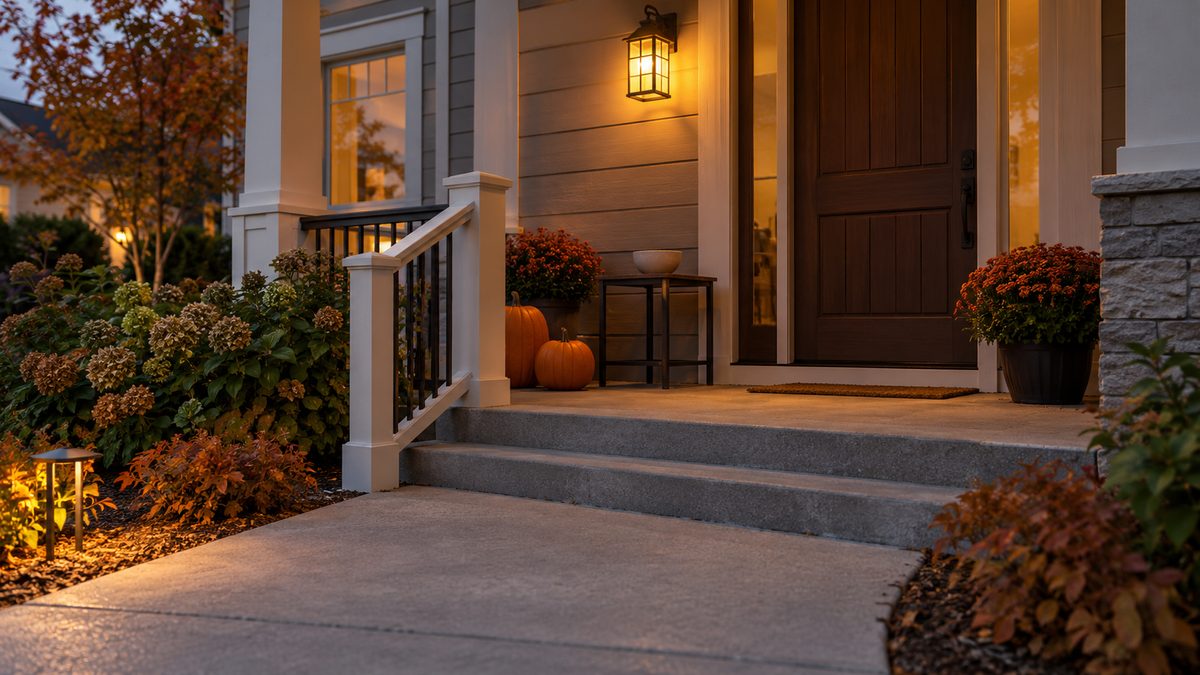
Homeowners personal liability coverage may help if you are legally responsible for a trick-or-treater's covered injury, subject to your policy's limits and exclusions. It does not guarantee payment whenever someone gets hurt at your house. Before Halloween, review the coverage and remove hazards along the route visitors will use.
The practical risks are easy to overlook while decorating: a cord across the steps, a loose railing, or a pet rushing through an open door. A careful setup gives visitors a clearer path and makes it easier to understand what happened if there is an incident.
Distinguish an injury from a liability decision
An injury on your property does not by itself establish that you are legally responsible. Liability depends on the facts and applicable state law. The condition of the property, what you knew about a hazard, and the circumstances of the visit may matter.
Personal liability coverage generally addresses covered claims alleging bodily injury or property damage for which an insured is legally liable. It can also provide a defense against covered lawsuits, according to the policy. Coverage decisions and legal responsibility are related questions, but they are not interchangeable.
Homeowners policies may also include medical payments to others. This separate coverage can pay certain medical expenses without requiring the same determination of fault, subject to its own eligibility rules and limits. It is not a promise that every visitor's bill will be paid.
Find both sections in your policy and ask how defense costs, exclusions, and notice duties work. Avoid applying the deductible shown for roof damage to a liability claim without checking. Property coverage and liability coverage operate under different provisions.
Walk the candy route at a child's eye level
Choose the entrance you want visitors to use, then walk from the public approach to the candy station. Look down as well as ahead. A route that feels straightforward to an adult in daylight may be harder for a child wearing a costume after dark.
Clear leaves, toys, garden tools, and loose decorations from that route. Check for uneven surfaces, unstable steps, and a railing that moves under light pressure. Arrange proper repair of a defect rather than hiding it behind a decoration.
Make the intended path visible without shining bright lights directly into approaching visitors' eyes. Keep access to handrails and the door clear. If steps or repairs make the entrance unsuitable, consider handing out candy from a safer accessible location on your property.
| Area to check | What can go wrong | Practical preparation |
|---|---|---|
| Walkway | Leaves or objects obscure footing | Clear the route and inspect it again before dark |
| Steps and railing | Loose parts create a fall risk | Repair defects and keep the handrail available |
| Electrical cords | Visitors catch a foot on a cable | Reroute cords away from the walking path |
| Decorations | Props tip or swing into people | Secure them and preserve walking space |
| Candy station | A crowd blocks the steps | Position the station where visitors can stop safely |
| Front door | A pet escapes when it opens | Set up a separate secure pet area in advance |
If you cannot make an area safe, keep visitors away with a clear, stable arrangement that does not itself create a trip hazard. Recheck the route during the evening as leaves accumulate or decorations move.
Give decorations a safety check after the visual check
Keep combustible decorations away from heat and open flames. Flameless lights can reduce the need for candles around costumes and dry materials. Check cords and use equipment according to its instructions, including whether it is intended for outdoor conditions.
Do not stretch a cable across the visitor route because it looks tidy from the street. Change the layout or power arrangement instead. Secure tall or lightweight decorations so ordinary movement or wind will not push them into a person.
Surprise effects deserve particular care near steps and driveways. A visitor who recoils may move into traffic or lose their footing. Leave space for people to pass and allow them to see where they are going.
Weather can change the setup. Move loose props inside if conditions make them unsafe and check for slippery surfaces. Damage to the home itself raises separate coverage questions, discussed in wind damage and homeowners insurance.
Arrange pet separation before the doorbell starts
A normally relaxed animal may react differently to repeated knocking, costumes, noise, and unfamiliar hands. Put pets in a comfortable, secure area away from the entry before visitors arrive. Give household members a clear plan for keeping that space closed.
Do not depend on holding a collar while passing out candy. A physical separation is easier to maintain when several visitors arrive together. Avoid inviting children to approach an animal that is frightened, eating, resting, or trying to retreat.
Pet-related liability coverage varies. Policies may contain animal exclusions, restrictions, or conditions that affect a bite or other injury. Tell your insurer about the animals in the household and ask for the relevant wording, particularly if there has been a prior incident.
If an animal injures someone, address immediate safety and obtain appropriate medical help. Follow applicable local reporting requirements and contact the insurer. Do not promise that insurance will pay before the insurer reviews the circumstances.
A private candy stop differs from an organized attraction
If you are planning a larger party, charging admission, or turning the property into an attraction, describe the plan to your insurer in advance. Business activities and organized events can raise coverage questions that ordinary household use does not resolve.
Ask about hired helpers, borrowed equipment, and any activities with a greater injury risk. If alcohol will be served, discuss the relevant policy terms and local responsibilities with a qualified professional. A general article cannot determine your duties as a host.
Review the personal liability limit against your household's broader exposure. Umbrella insurance may provide additional liability protection, but it has its own conditions and underlying coverage requirements. Buying more coverage does not remove the need to address an obvious hazard.
Tenants should review what renters insurance covers and report property defects to the landlord promptly. Ownership, maintenance duties, and your own conduct can involve different responsibilities.
If someone falls, help first and preserve the facts
Stop the activity around the hazard and seek emergency help when needed. Avoid moving an injured person unless necessary for immediate safety. Keep other visitors away while the area is assessed.
Record the person's contact details, the location, time, witnesses, and what you observed. Photograph the area if safe and preserve relevant security footage. Distinguish observations from assumptions; a factual note is more useful than a rushed explanation of fault.
Contact your insurer promptly and follow its instructions. Forward demand letters or legal papers immediately. Do not ignore a document because a conversation at the scene seemed friendly, and avoid negotiating a settlement without discussing it with the insurer.
Keep incident photographs private rather than posting them on social media. If coverage is disputed, request the policy basis in writing. Use NAIC consumer resources to find your state insurance department when you need help understanding the complaint process.
This is general information, not legal or insurance advice. Ask a licensed insurance professional about coverage and a qualified attorney about your responsibilities under state law.
Frequently asked
Does turning off the porch light eliminate my responsibility?
Do not treat a dark porch as a legal shield. Responsibility depends on state law and the circumstances. If you are not participating, remove hazards and make the entrance clearly unavailable without creating a new obstruction.
What if a guest damages a neighbor's property?
Your homeowners policy does not automatically cover everything a guest does. Record what happened and ask the insurer which coverage, if any, could apply to your responsibility or the damaged property.
Can renters have Halloween liability coverage?
Renters policies commonly include personal liability coverage, subject to their terms. Check your own policy and lease rather than assuming the landlord's insurance protects you from a claim.
Should I tell the insurer about a small incident with no immediate claim?
Ask the insurer about its notice requirements. An injury that appears minor can lead to later treatment or a demand, so keep a factual record and do not assume silence removes a reporting duty.
Sources
Keep reading
Auto & Home Insurance Does Home Insurance Cover Wind Damage? Check the Deductible First
Understand wind damage coverage, separate storm deductibles, roof claims, and the evidence to gather before repairs begin.
October 25, 20265 min read
Auto & Home Insurance Travel Insurance for Holiday Trips: What to Read First
Check cancellation reasons, emergency medical coverage, exclusions, and card benefits before buying insurance for a holiday trip.
October 24, 20265 min read
Auto & Home Insurance Winter Car Insurance Claims: Ice, Branches, and Deer
Understand collision and comprehensive coverage for winter incidents, then collect the records an insurer may need to assess a claim.
October 24, 20265 min read
Auto & Home Insurance Frozen Pipes and Home Insurance: Coverage, Care, and Claims
Understand typical burst-pipe coverage, reasonable-care conditions, prevention steps, and the records to keep after winter water damage.
October 22, 20265 min read