Does Home Insurance Cover Wind Damage? Check the Deductible First
Understand wind damage coverage, separate storm deductibles, roof claims, and the evidence to gather before repairs begin.
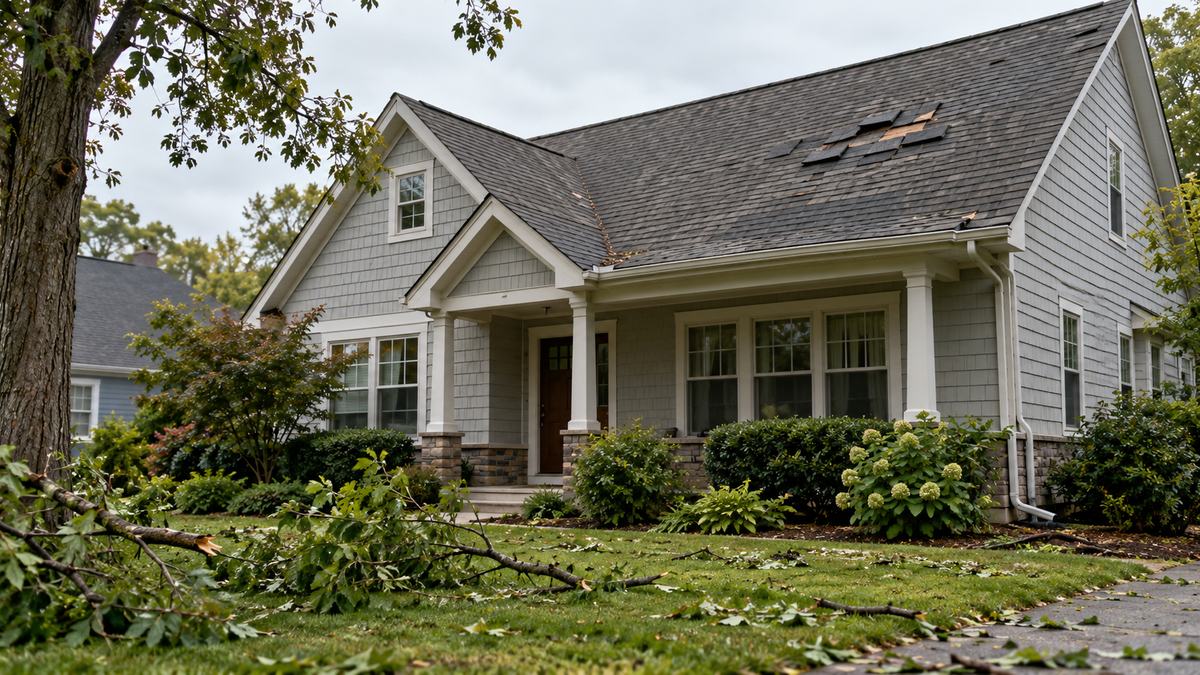
Homeowners insurance commonly covers sudden wind damage to a house, but your policy may exclude wind or apply a separate storm deductible. Check the declarations page and endorsements before assuming a damaged roof will produce a payment. The cause of the damage, settlement terms, and deductible all matter.
A storm can leave several different problems at once: missing shingles, a broken fence, rain indoors, and debris across the driveway. They do not necessarily receive identical treatment. Start by identifying what was damaged and how it happened, then ask the insurer which policy provisions apply.
Find the wind coverage before adding up repairs
Look for the policy in force when the damage occurred. Gather the declarations page, coverage forms, endorsements, and renewal notices. The declarations page summarizes coverage and deductibles, while endorsements can change the printed policy wording.
Wind is commonly a covered cause of loss under homeowners insurance, but some properties have wind exclusions or separate windstorm coverage. This is particularly relevant where storm exposure affects available insurance. A homeowners policy sitting in your files does not establish that every storm hazard is insured.
Ask the agent to identify the wording governing wind, named storms, and hurricanes. If coverage is separate, locate that policy and its claim contact as well. Do not assume that a lender's insurance requirement answers which insurer handles this particular loss.
Record the coverage for the dwelling, other structures, and personal property separately. A detached garage or fence may fall under a different coverage section from the house. Damage to belongings also needs its own inventory and settlement review.
A hurricane deductible may differ from your usual deductible
Many states allow separate windstorm or hurricane deductibles, often expressed as a percentage of dwelling coverage. Your declarations page should help identify the applicable amount or percentage. Read the associated endorsement to understand the event that triggers it.
A percentage deductible is commonly based on the insured dwelling amount, rather than the repair bill. Ask the insurer to show the calculation using your current policy. Do not multiply the percentage by the contractor's estimate and assume the result is your share.
| Policy item | What to find | Question to ask |
|---|---|---|
| Wind coverage | Exclusions and endorsements | Is wind covered under this policy or separately? |
| Standard deductible | Listed amount | When does this deductible apply? |
| Storm deductible | Percentage or dollar amount | What event activates it, and how is it calculated? |
| Roof settlement | Replacement cost or other terms | Is depreciation withheld, and can it be recovered? |
| Other structures | Coverage and restrictions | How are the fence and detached garage treated? |
| Loss of use | Covered circumstances and limits | Are additional living expenses available for this loss? |
An insured loss may still fall below the deductible. That is different from damage being excluded. Understanding the distinction helps you evaluate the insurer's explanation and plan the money needed for repairs. An emergency fund can help bridge expenses that remain your responsibility.
Separate wind damage from wear and storm water
Missing shingles after a storm may suggest wind damage, but an inspection may also reveal deterioration or earlier leaks. Homeowners insurance generally is not a maintenance plan. Describe what you observed and when, without guessing about the condition of parts you cannot see.
Rain entering through a storm-created opening may be treated differently from water entering through an existing defect. Flooding is generally excluded from standard homeowners coverage and requires separate protection. A single storm can therefore produce losses with different coverage answers.
Take photographs showing both the apparent entry point and the resulting interior damage, if you can do so safely. Tell the adjuster about water from outside, plumbing issues, or older stains you already knew about. Accurate distinctions are more useful than calling every wet surface wind damage.
The homeowners water damage overview explains why the source of water matters. For your claim, ask for the actual policy language supporting the decision rather than relying on a broad description of storm coverage.
Document from the ground before anyone removes evidence
Stay away from fallen power lines, unstable trees, and damaged structures. Do not climb onto a roof for photographs. If the building appears unsafe, follow local emergency instructions and seek qualified help before entering.
Once it is safe, use this order to organize the claim:
- Photograph wide views of the house and yard, then closer views of visible damage from safe locations.
- Record when you discovered the damage and what you observed during the storm.
- Make a room-by-room list of affected belongings, with photographs and purchase records where available.
- Contact the insurer promptly and ask about notice requirements, inspections, and temporary repairs.
- Save the claim number, adjuster's details, estimates, receipts, and a dated communication log.
Keep original image files and back them up. Before-and-after photographs can help show what changed, but do not alter images in ways that obscure their content. Avoid discarding damaged property until you have asked the insurer what evidence it needs, unless keeping it would create a hazard.
Protect the property while keeping repair decisions clear
Policies generally expect reasonable steps to prevent further damage. That does not mean you should perform dangerous work yourself. Ask about emergency tarping, boarding, or water removal, and use qualified help when the task requires it.
Photograph the condition before and after temporary work and keep itemized receipts. Ask the insurer how these costs are handled; reimbursement depends on coverage and policy terms. Do not delay essential safety measures just to obtain a perfect photograph.
For permanent repairs, compare written scopes rather than only the total price. Check whether estimates address the same materials, damaged areas, and necessary work. A contractor's opinion about coverage does not replace the insurer's written determination.
Be cautious with documents that transfer claim rights or authorize broad work before you understand them. Read payment obligations, cancellation terms, and any promise about insurance proceeds. Ask a licensed professional or your state insurance department about unfamiliar arrangements before signing.
Review the settlement before treating the claim as finished
Request an itemized explanation of covered damage, depreciation, deductible, and payment. Replacement cost coverage can involve an initial payment and further payment after qualifying repairs, depending on the policy. Other settlement provisions may leave more of the roof cost with you.
Ask what documents and deadlines apply to any remaining payment. Keep these separate from the contractor's schedule. A repair contract does not extend the insurer's requirements, and a first check may not represent the entire available settlement.
If you disagree, identify the disputed item and submit supporting photographs or estimates. Request the relevant policy wording in writing. The NAIC consumer resources can help you locate your state insurance department for guidance about unresolved claim concerns.
When reviewing future coverage, compare storm deductibles as carefully as premiums. Seasonal maintenance, including the precautions discussed in frozen-pipe insurance claims, can also help you keep records and reduce avoidable property damage.
This article is general information, not insurance or legal advice. Consult your policy, a licensed insurance professional, or your state insurance department about your property's coverage and claim.
Frequently asked
Will a wind claim automatically raise my premium?
There is no universal answer. Insurer practices, state rules, claim history, and broader pricing changes can affect renewal. Ask your insurer or licensed agent how claims are considered without assuming a particular result.
What if my mortgage company is named on the claim check?
Ask the lender about its endorsement and repair-fund process before depositing the check or promising a contractor payment. Keep the insurer's estimate and repair documents together.
Can I choose my own roofer?
Ask your insurer about the claim process and any requirements affecting payment. Check licensing where required, insurance, references, and the written scope before hiring. Do not assume a referral guarantees workmanship.
What if I find more damage after the inspection?
Notify the adjuster promptly and ask how to submit additional evidence or a supplemental estimate. Photograph the newly discovered damage before it is concealed, when safe, and retain relevant invoices.
Sources
Keep reading
Auto & Home Insurance Does Homeowners Insurance Cover Water Damage?
Sudden and accidental is covered, gradual and ground-level is not. How insurers categorise water losses, and which endorsements close the gaps.
October 15, 20267 min read
Auto & Home Insurance Frozen Pipes and Home Insurance: Coverage, Care, and Claims
Understand typical burst-pipe coverage, reasonable-care conditions, prevention steps, and the records to keep after winter water damage.
October 22, 20265 min read
Auto & Home Insurance Halloween Homeowners Liability: Prepare the Path, Porch, and Pets
Review homeowners liability before Halloween, reduce trip hazards, manage pets, and know what to document if a visitor gets hurt.
October 25, 20265 min read
Auto & Home Insurance Travel Insurance for Holiday Trips: What to Read First
Check cancellation reasons, emergency medical coverage, exclusions, and card benefits before buying insurance for a holiday trip.
October 24, 20265 min read