Daylight Saving Time Ends: Driving Risks and Animal Collision Coverage
Prepare for darker commutes and learn how comprehensive and collision coverage can apply when an animal is involved.
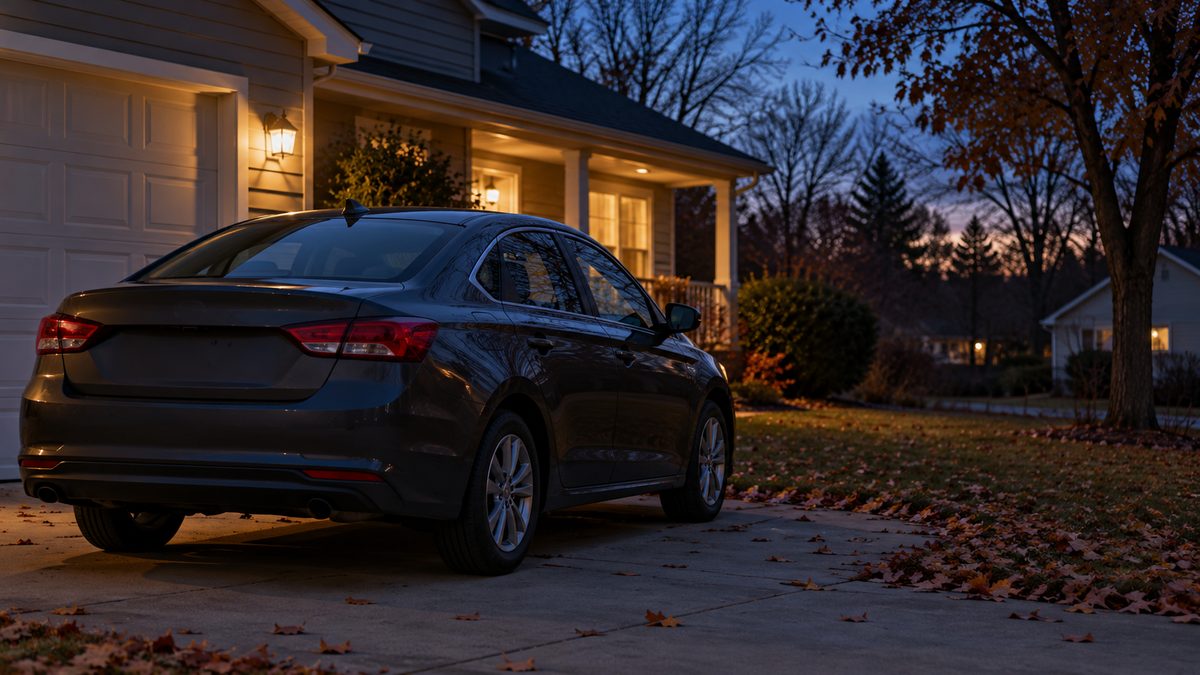
US daylight saving time ends at 2:00 a.m. on Sunday, November 1, 2026, in places that observe it. The earlier sunset can put your usual drive home in darkness. If you hit a deer or another animal, damage to your car generally falls under comprehensive coverage; if you swerve and hit a tree or another vehicle, collision coverage generally applies instead.
That distinction matters because liability insurance alone generally does not pay to repair your own car after either event. Check the coverages and deductibles listed for your specific vehicle before the clocks change.
The clock change can alter a familiar commute
Turning clocks back does not change the road, but it changes the light available at the time you use it. A curve you usually approach in daylight may now be in shadow. Pedestrians, cyclists, road debris, and animals near the shoulder can become harder to see.
Review the parts of your route where visibility already feels limited. Think about wooded stretches, unlit intersections, glare from approaching headlights, and places where people cross without much lighting. Leave enough time to drive at a speed that suits what you can see, rather than trying to preserve your summer travel time.
Not every US community changes its clocks. Confirm local observance before adjusting a trip or work schedule. Darkness also shifts with the season regardless of a clock change, so drivers in places that do not observe daylight saving time still need to reassess visibility.
Before the first evening drive, clean the inside and outside of the windshield. Check that headlights, brake lights, and turn signals work. Replace worn wipers and arrange service if your lights seem poorly aimed. Use headlights as conditions require, and avoid high beams when they would interfere with another driver's vision.
Deer near the road call for space and attention
Fall is a period when drivers in many areas need to watch for deer. Local conditions vary, and a deer-crossing sign identifies a place to stay alert rather than a boundary beyond which animals disappear. Be especially attentive beside woods, fields, and stretches with limited sight lines.
Scan the shoulder as well as the lane ahead. If you see one deer, watch for others without taking your attention off traffic. Slow down in a controlled way when conditions allow. Leave a following distance that gives you room to respond if the driver ahead brakes suddenly.
If an animal appears directly in your path, concentrate on controlling the vehicle. Brake firmly as conditions allow and avoid a sudden swerve into opposing traffic, a ditch, or a roadside object. There is no maneuver that guarantees safety in every situation. Road surface, traffic, and available space all affect what you can do.
Put the phone away before starting the car. A familiar route still requires your full attention when light and animal activity change.
Contact with an animal differs from a crash while avoiding it
Insurance categories turn on what happened, not just what started the emergency. Comprehensive and collision are separate protections for damage to your vehicle. They can have different deductibles, and a policy may include one without the other.
| What happens | Coverage that generally addresses damage to your car | Detail to confirm |
|---|---|---|
| Your car strikes a deer | Comprehensive | Animal-contact terms and the applicable deductible |
| You avoid an animal but strike a tree | Collision | Collision coverage and deductible |
| You swerve and collide with another car | Collision for your car | Liability questions and damage to others also need review |
| Your car is damaged and you carry liability only | Usually no coverage for your own car under liability | Any other applicable coverage or responsible party |
These are general categories, not a promise that a particular claim will be paid. Exclusions, policy language, and the facts of the loss control the result. Explain the entire sequence to the insurer, including any contact with an animal and any later impact. Do not try to choose a claim category yourself by leaving out part of the event.
For a broader explanation of the separate protections on a policy, read car insurance coverage explained. The phrase “full coverage” is less useful than checking the actual declarations page; full coverage versus liability only explains that distinction.
Check the deductible before deciding how to handle repairs
Find the declarations page for the vehicle you drive. Confirm that comprehensive and collision are both listed if you expect both forms of protection. Then note each deductible, which is the amount you generally pay toward a covered loss before insurance pays the remaining eligible amount.
A repair estimate below the applicable deductible may leave no payment for the vehicle damage. A larger loss can still leave you with costs that the policy does not cover. Ask about towing, temporary transportation, and any limits or separate requirements for those services.
Keep the deductible within your household's cash plan. Knowing you have coverage is less useful if you cannot manage your share of the repair or transportation costs. If you are considering a change, ask when it would take effect and how it affects the premium. Coverage added after an accident does not cover that earlier loss.
Do not assume a windshield problem follows the same deductible arrangement as body damage. Ask how your policy handles glass, including any options or state-specific provisions that apply. Your insurer or licensed agent can explain the contract for your vehicle and location.
After an animal collision, put the scene before the claim
Start by checking for injuries and the risk of another collision. If you can safely move out of traffic, do so. Use hazard lights and seek emergency help when needed. Follow local reporting requirements and the directions of responding authorities.
Stay away from an injured animal. Do not attempt to move it yourself or step into traffic to photograph it. An animal that appears still may move unexpectedly.
Once you are safe, work through the claim details:
- Record the location, approximate time, weather, and what happened while your memory is clear.
- Photograph vehicle damage and the surrounding scene only from a safe position.
- Save any report information and contact details provided by authorities or witnesses.
- Contact the insurer and describe every impact in order.
- Ask about inspection, towing, repair authorization, and keeping receipts before committing to nonurgent work.
Do not drive a damaged car if you are unsure it is safe. A vehicle can have damage beyond a cracked bumper or broken light. Ask for professional assessment if steering, braking, visibility, or fluid leaks raise concerns.
Make the next dark drive easier to manage
Keep proof of insurance and the insurer's claim number available without depending entirely on a working phone connection. Store a flashlight where you can reach it safely. Check that any roadside assistance you expect to use is active and understand its service limits.
Discuss the route with other household drivers, especially anyone whose first evening commute after the change will be unfamiliar. The practical goal is enough time, clear visibility, and a known plan if the car cannot be driven.
As colder weather arrives, winter car insurance claims can help you review other seasonal losses. For policy questions, use your insurer, a licensed agent, or the consumer resources at the National Association of Insurance Commissioners.
This article provides general information, not individual insurance, financial, legal, or driving-safety advice.
Frequently asked
Does comprehensive coverage pay for my injuries after hitting a deer?
Comprehensive generally addresses damage to the vehicle. Injury-related coverage depends on other policy sections, state rules, and the circumstances. Ask which medical or injury protections apply.
Will an animal collision automatically raise my premium?
There is no universal result. State rules, claim history, and insurer rating practices affect renewal pricing. Ask how a claim may be treated without assuming that the answer guarantees your next premium.
Is a police report always required for a deer claim?
Reporting duties vary by location and circumstances. Ask local authorities about reporting obligations and ask your insurer what documentation it needs. Injuries or a blocked road may require immediate assistance.
Does my insurance cover a car I borrowed from a relative?
Do not assume your own comprehensive coverage transfers to any borrowed vehicle. Contact the relevant insurers and explain who owns the car, who was driving, and the nature of the damage.
Can I choose the repair shop after an animal collision?
Ask about your options, state protections, and the insurer's estimate process. Confirm how additional damage found during repairs will be handled. Choosing a shop does not establish coverage for every charge.
Sources
Keep reading
Auto & Home Insurance Car Insurance Coverage Explained, Line by Line
What liability, collision, comprehensive, uninsured motorist and PIP each pay for, what state minimums leave exposed, and which limits to raise.
September 1, 20267 min read
Auto & Home Insurance Full Coverage vs. Liability Only: When to Drop Collision
Whether to keep collision and comprehensive on an ageing car: the arithmetic, the 10% rule, and four situations where dropping them is a mistake.
October 1, 20266 min read
Auto & Home Insurance Winter Car Insurance Claims: Ice, Branches, and Deer
Understand collision and comprehensive coverage for winter incidents, then collect the records an insurer may need to assess a claim.
October 24, 20265 min read
Auto & Home Insurance Power Outage Food Spoilage: When Homeowners Insurance May Help
Check food spoilage coverage, deductibles, and outage exclusions before filing a claim, and keep generator use safe during a power failure.
October 26, 20266 min read